
Tractor Buying Guides
Buying a Used Tractor in Missouri — What to Check Before You Commit
Affordable Tractors & Equipment
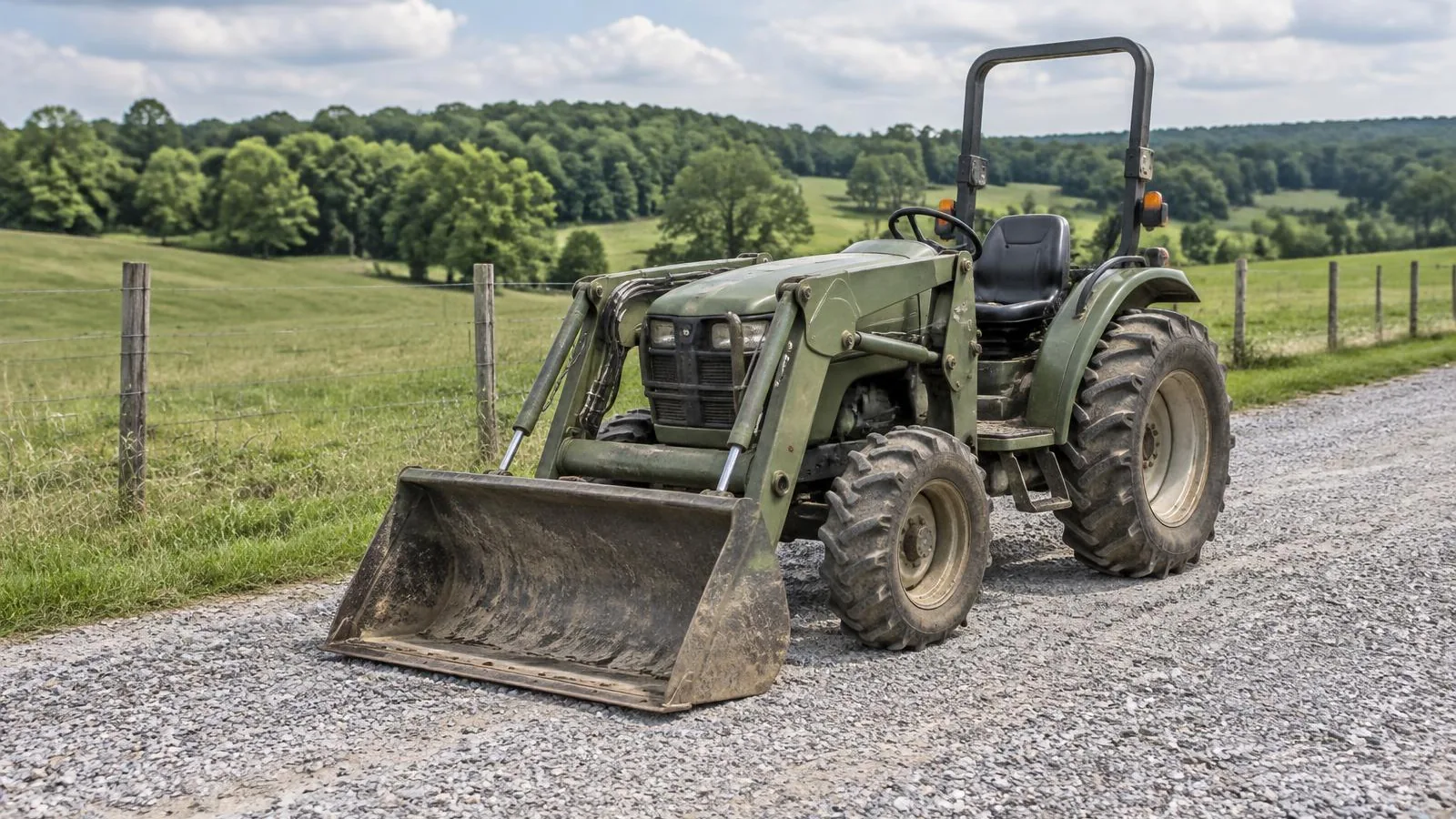
When buying a used tractor in Missouri, start with the jobs it must handle, the condition of the exact machine, and the total cost to get it working at your address. Then confirm the delivery arrangements and how the sale will be treated for tax purposes. If you plan to claim Missouri’s farm machinery exemption, check your intended use and documentation before you rely on it in your budget.
A tractor used to mow around a house faces a different job from one that moves feed and handles implements on a working farm. Both buyers can use the same process. Write down the work, collect evidence for each machine, and compare written quotes on the same basis.
Walk the property before comparing listings
Start where the tractor will work. Measure the narrowest entrance to the work area, the available storage space, and the clearance needed with the attachment fitted. Include the turns leading to a gate or barn door. A machine can fit through an opening in a straight line and still be difficult to line up on the approach.
Describe the actual terrain and surface. A gravel lane that stays firm presents a different job from a feed area that becomes soft after rain. If the property has slopes, ditch edges, or uneven ground, identify those areas before deciding what work to assign to the tractor.
| Property task | Detail to record | What to confirm on the tractor |
|---|---|---|
| Mowing pasture or maintained grass | Area, vegetation, obstacles, and clearances | Suitable mower type, PTO and hitch fit, and operating clearance |
| Maintaining a gravel lane | Lane length, surface condition, and grading needs | Compatible blade or scraper and suitable setup for the ground |
| Moving feed or materials | Heaviest load, placement height, and required reach | Capacity of the exact loader and attachment configuration |
| Working around barns and gates | Narrowest opening, turning space, and overhead clearance | Overall dimensions with the intended equipment fitted |
| Using implements you already own | Make, model, weight, hitch, and power requirements | Compatibility with the exact tractor and any required controls |
Use our tractor sizing guide for 5–20 acres if you’re still deciding what size of machine to consider. When you browse tractors for sale, save the listing link or stock number for each candidate. The details of the exact machine matter when you ask about a loader, mower, or other attachment.
Ask for evidence tied to the exact machine
Request the full model designation, serial number, current hour reading, dated service records, and a written list of what comes with the sale. Ask the seller to identify known faults and any work they plan to complete before delivery.
If a loader is included, record its model and the fitted bucket or other attachment. Ask whether any rear implements pictured are included in the quoted price. For a tractor you will use with equipment you already own, send the implement model and requirements. A tractor and an implement can share a hitch category while still needing checks for power, weight, clearance, and driveline fit.
Compare the hour reading with dated records. For example, a service invoice at 1,320 hours and a current reading of 1,570 show a difference of 250 displayed hours. Ask what work the tractor did during that period, whether the meter was replaced, and what maintenance was performed. Use the interval to ask better questions about condition.
Ask for an inspection or a demonstration that covers the work you care about. A qualified operator can show a cold start where practical, travel, steering, loader movement, and the relevant hitch or PTO functions in a suitable setting. If the tractor will spend its time with a particular implement, ask what can be demonstrated with that equipment. Have a technician investigate unresolved symptoms before relying on an estimated repair allowance.
Our used tractor buying checklist goes into more detail on the inspection itself. Use it to record what was demonstrated, what was documented, and what still needs checking.
Include protective equipment and parts support
Check the tractor’s rollover protective structure, commonly called ROPS, and its seat belt as part of the inspection. If either is missing, damaged, or modified, ask a qualified technician to identify the proper equipment for the exact model and price the work needed. If your jobs include mowing near slopes or working along ditch edges, use the operator’s manual and plan how those areas will be handled before putting the machine to work. MU Extension explains how rollover protection is designed to protect the operator. MU Extension’s guidance on tractor rollover protection.
Identify who will service the tractor near where you will use it. Ask a parts supplier or repair shop about the exact model and serial range. A useful call covers the common filters and wear items, plus any known repair identified in the inspection. If a shop cannot handle a particular repair on site, find out what transporting the tractor to a workshop would involve.
This matters when the tractor has to be available for a recurring job. A repair with readily available parts can be planned around. An unresolved repair with an uncertain parts supply leaves you with both an unknown cost and an unknown period without the machine.
Confirm Missouri sales tax treatment before you budget around an exemption
The Missouri Department of Revenue describes a sales and use tax exemption for qualifying new and used farm machinery and equipment. Its guidance considers the use of the equipment, the land where it will be used, and its role in producing farm products for sale. Review the current guidance with the seller or your tax adviser for your actual use. Missouri Department of Revenue sales and use tax exemptions.
Describe what you intend to do with the tractor. For example, mowing around a residence and using a tractor directly to produce farm products for sale raise different questions under the state’s guidance. If your plans involve several uses, explain them when asking how your purchase will be treated. Ask what documentation the seller needs if you are claiming an exemption. Missouri’s Form 149 is the state’s sales and use tax exemption certificate. Missouri Department of Revenue Form 149.
Ask the seller to show the applicable tax or exemption treatment on the written quote. If the purchase includes separate implements or a trailer, ask how those items are handled. Keep any pending amount visible when comparing offers so you can update the total once it is confirmed.
Plan the last mile to your Missouri address
Provide the full delivery address and identify the entrance the carrier should use. Note restricted bridges, posted weight limits, narrow approaches, low branches, soft shoulders, and places where a truck and trailer would have to turn or back up. A photo from the road and a measurement of the actual opening help the carrier evaluate the approach.
Missouri’s Department of Transportation provides traveler information for state routes, including work zones and reported road conditions. Share property and local-road details directly with the transport team so it can assess the full trip to the agreed receiving point. MoDOT traveler information.
Confirm what will travel attached and what will be carried separately. Ask who will unload the tractor and each implement, where unloading will take place, and what equipment will be available.
Our tractor delivery quote checklist gives you a set of fields to send with the request. Complete what you can and flag the access or unloading details that still need confirmation.
Compare the cost to put the tractor to work
Use the same job and attachment list for both candidates. Include work identified during the inspection, transport to the same address, and any equipment you need before the first job. Keep pending tax or repair figures visible.
The figures below are hypothetical USD amounts. They illustrate how to compare two quotes for tractors suited to the same job.
| Cost before the first job | Tractor A | Tractor B |
|---|---|---|
| Tractor and included equipment | $14,500 | $16,000 |
| Required compatible implement | $1,300 | Included |
| Confirmed initial repairs and service | $900 | $350 |
| Delivery to the same address | $650 | $650 |
| Identified total before applicable tax | $17,350 | $17,000 |
Tractor B starts USD 1,500 higher on the equipment line and totals USD 350 less across the identified costs. The buyer still needs to confirm that the included implement does the same job and that both delivery quotes include the same unloading arrangement.
If one inspection identifies a fault that still needs diagnosis, keep it open in the comparison. The table becomes useful once the equipment, service, delivery, and any confirmed taxes reflect the same planned purchase.
Get the written quote for the actual machine
Affordable Tractors & Equipment lists its business location in Rolla, Missouri. The sales team handles machine inquiries, prepares written quotes, and coordinates transportation to the buyer’s address. See about Affordable Tractors & Equipment for the company’s published details.
Before committing, confirm the stock number, machine condition, included implements, agreed repairs, and price. Ask for the delivery point, unloading arrangement, applicable charges, and any delivery estimate in writing. If you want a demonstration or inspection before buying, confirm what can be arranged for that machine and where it is currently located.
When you request a written tractor quote, send the listing link or stock number, your intended work, your attachment list, and the Missouri delivery address. Add the questions that affect your decision, such as an undocumented repair or a narrow entrance, so they can be addressed while the quote is prepared.
Frequently asked questions
Does every used tractor qualify for Missouri’s farm machinery exemption?
Eligibility depends on the purchase and intended use under the current state rules. Explain how the tractor will be used and ask the seller or your tax adviser what documentation applies. Review the Missouri Department of Revenue’s current guidance before budgeting for the exemption.
Can I arrange to see a tractor in Rolla before buying?
Ask the sales team to confirm the location of the specific stock number and whether a visit, demonstration, or independent inspection can be arranged. Include the functions or attachments you want to see demonstrated.
What should I ask about if I already own implements?
Send the make and model of each implement, its mounting type, weight, and power or hydraulic requirements. Ask for compatibility with the exact tractor and fitted loader, including any approved parts or controls needed.
What should I send for delivery to a rural Missouri property?
Send the full address, the correct entrance, and a description of the approach. Include posted restrictions, gate measurements, surface conditions, and the equipment and people available to unload. Agree on a receiving point with the transport team.